
Will a Over-the-Door Shoe Organizer Fit Your Small Bedroom Door? Measuring Depth, Hinge Clearance, and Weight Limits
Will an Over-the-Door Shoe Organizer Fit Your Small Bedroom Door? Measuring Depth, Hinge Clearance, and Weight Limits
When you live in a compact bedroom or apartment, floor space is precious real estate. Every square inch counts, from the footprint of your nightstand to the clearance around your bed. When closets fill up and floor storage overflows, many homeowners and renters turn to vertical real estate—specifically, the back of the bedroom door. A hanging shoe organizer can instantly swallow up dozens of pairs of footwear, accessories, or rolled-up garments, clearing clutter off the floor.
However, asking yourself whether an over the door shoe organizer fit small bedroom door setups is a critical first step before hitting the "buy" button. Far too many shoppers discover after unpacking their new storage rack that the door refuses to latch, the top brackets scratch the wood frame, or the weight of loaded pockets causes the structure to warp. Achieving a seamless installation requires a careful assessment of physical dimensions, gap tolerances, and mechanical load limits.
At FitMySpace, we are obsessed with spatial logistics. In this comprehensive guide, we will walk you through everything you need to know about measuring door clearance for a hanging shoe rack, evaluating organizer depth and hinge clearance, checking door hook widths, and avoiding common setup mistakes. Let's dive into the physics of vertical bedroom organization.
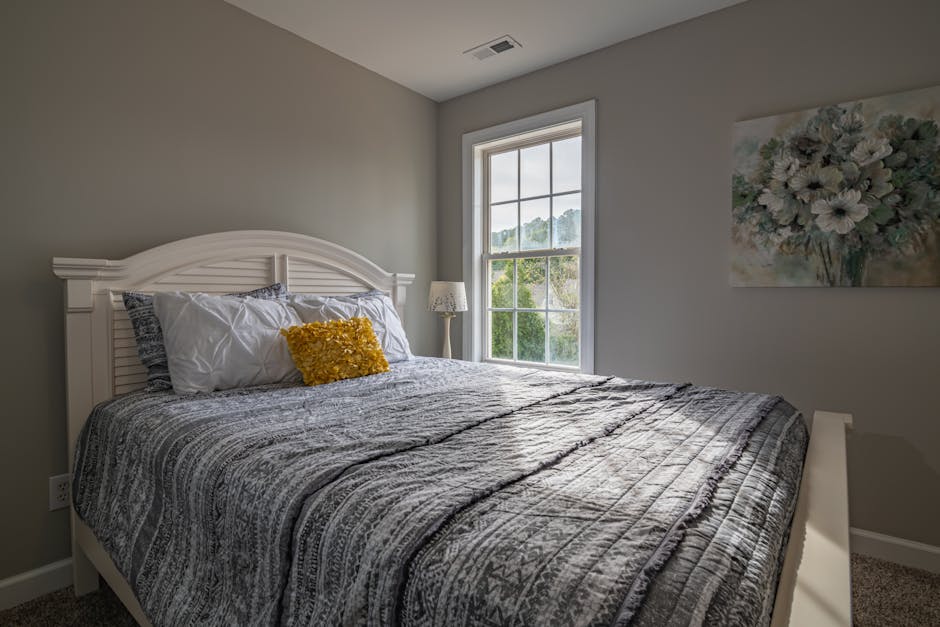
Why Small Bedroom Doors Require Special Consideration
Standard architectural doors in modern residential construction are typically designed with minimal tolerances. When architects and builders install interior doors, the primary goals are privacy, sound dampening, and clean sightlines. They do not design doors with the expectation that users will hang heavy fabric or plastic storage racks over the top edge.
In smaller bedrooms, space planning is even tighter. A door that fails to close completely can ruin the thermal comfort of a room, prevent proper privacy, or leave an unsightly gap that compromises your interior aesthetic. Before bringing home any hanging storage unit, you must understand how your specific door interacts with its frame, hinges, and surrounding walls.
The Anatomy of a Door Hanging Storage System
To determine if an over-the-door shoe organizer will work in your space, you need to break down the physical components of the accessory:
- The Over-the-Door Hooks (Brackets): Metal or plastic brackets that slip over the top edge of the door slab. Their thickness dictates whether your door can close without hitting the frame.
- The Body/Pockets: Fabric, mesh, or clear vinyl compartments that hold shoes. The depth of these pockets, especially when loaded, determines whether the organizer blocks your room or catches on door handles and walls.
- The Stabilization Points: Lower grommets, adhesive pads, or hook-and-loop straps that keep the organizer from swinging violently every time the door moves.
Step-by-Step Guide: How to Measure for an Over-the-Door Shoe Organizer
Accurate measuring prevents the frustration of returns and damaged doorframes. Follow this systematic approach to gather your room's precise dimensions before shopping for small bedroom door storage measurements.

Step 1: Measure Door Thickness
Standard interior doors in North America are usually 1 3/8 inches thick, while exterior or solid-core bedroom doors are often 1 3/4 inches thick. European metric standards typically range from 35mm to 40mm.
How to measure: Use a tape measure or caliper across the top edge of your open bedroom door. Check if the manufacturer's bracket width matches your measurement. If your door is 1 3/4 inches thick and the organizer's hooks are designed only for 1 3/8 inches, the brackets simply will not slide over the top.
Step 2: Check the Gap Between the Door and the Frame (Hinge Clearance)
This is the most common reason organizers prevent doors from closing. When a door is closed, there is a tiny gap between the top edge of the door and the interior header of the doorframe (the stop).
How to test: Take a standard U.S. quarter (which is approximately 1.75mm thick) or a folded piece of cardstock, open your door slightly, place it on the top edge, and close the door. Does the door catch on it? If the door closes smoothly over a coin, you have a gap of roughly 2mm. Most standard wire or thin metal brackets are around 1mm to 1.5mm thick at the bend. If your gap is smaller than the metal bracket's thickness, your door will not close.
Step 3: Evaluate Over-the-Door Organizer Depth and Pocket Bulge
Empty shoe organizers look sleek and flat. Once you insert bulky running shoes, high heels, or ankle boots, the profile changes dramatically. Each loaded pocket pushes outward into your room.
How to calculate: Measure the average width and depth of your largest pair of shoes. If a pocket extends 5 inches outward when filled, ensure that your open bedroom door has at least 5 inches of clearance between the door surface and any nearby furniture, walls, or light switches when fully swung open.
Step 4: Check Door Hook Width and Door Clearance
Beyond the thickness of the metal hanging over the top, look at how the hook descends down the front and back of the door. Some poorly designed hooks leave a wide gap that causes the entire organizer to rattle or lift off when the door moves. Furthermore, ensure the top hooks do not interfere with your door latch mechanism or strike plate.

Hanging Shoe Organizer Weight Limits and Door Integrity
It is easy to underestimate how heavy thirty pairs of shoes can be. A pair of leather boots or winter trainers can easily weigh 2 to 3 pounds. Multiply that by 12, 24, or 36 pockets, and your hanging organizer could easily be putting 30 to 50 pounds of vertical and shear force onto your door.
Can Hollow-Core Doors Handle the Weight?
Many modern interior bedroom doors are hollow-core doors—lightweight slabs made of a thin wood or composite veneer over a honeycomb cardboard interior structure. While hanging a shoe organizer over a hollow-core door is generally acceptable, you must be mindful of the total weight limit:
- Hollow-Core Door Limit: Aim for a total loaded weight under 25 to 30 pounds. Overloading can warp the door slab or pull the top edge hinges out of alignment.
- Solid-Core / Solid Wood Door Limit: These robust doors can easily support 50+ pounds, provided the hinges and frame are securely anchored into wall studs.
Protecting Your Door Surface
Metal brackets sliding against wood can scratch paint, splinter veneer, and leave permanent marks. Always look for organizers that include foam padding or felt pads on the underside of the top hooks. If your organizer didn't come with protective pads, stick small pieces of adhesive felt furniture pads under the metal hooks before hanging.
Common Mistakes When Installing Over-the-Door Storage
Even with careful planning, DIYers often run into preventable hiccups. Avoid these common pitfalls:
- Ignoring the Door Trim and Molding: Some bedroom doors feature decorative molding or panels near the top edge that interfere with flat over-the-door hooks.
- Forgetting About the Doorknob: Long organizers can hang down low enough to interfere with the turning of the door handle or lock mechanism. Ensure there is a safe buffer zone.
- Skipping Lower Anchors: If you don't secure the bottom of the organizer to the door using adhesive strips or screws, the organizer will bang loudly against the door every time it opens or closes.
- Overstuffing Pockets: Trying to force oversized boots into standard mesh pockets stretches the fabric permanently and increases the outward depth, causing door-closing jams.

Alternative Space-Saving Solutions If It Doesn't Fit
What happens if you measure your door gap, check your hinge clearance, and realize an over-the-door shoe organizer simply won't work? Don't despair. There are plenty of clever alternatives for small bedroom organization:
- Under-Bed Rolling Storage: Low-profile plastic bins or fabric bags slide effortlessly underneath your bed frame, utilizing dead space.
- Slim Vertical Shoe Towers: Narrow, multi-tier vertical racks take up less than one square foot of floor space in a closet corner.
- Fabric Hanging Closet Shelves: If you have a clothes rod in your bedroom closet, hanging vertical canvas shelves provide similar compartmentalized storage without touching the bedroom door.
Related FitMySpace Tools
Planning the layout of a small bedroom involves analyzing clearances, entryways, and bulky items. Explore our suite of interactive calculators and guides to make sure every item in your home fits perfectly:
- Will a Sofa Fit Through My Door?
- Furniture Through Doorway Calculator
- Will a Refrigerator Fit Through the Door?
Frequently Asked Questions (FAQ)
1. Will a standard over-the-door shoe organizer prevent my bedroom door from closing?
It depends entirely on the thickness of the hanging brackets and the clearance gap between the top of your door and the doorframe. If your door gap is tighter than 2mm and the metal hooks are thick, the door will catch or fail to latch. Always test your door gap with a coin or cardstock before purchasing.
2. How do I measure my door to see if hanging storage will fit?
Measure three key dimensions: 1) Door thickness at the top edge (usually 1 3/8 inches or 1 3/4 inches). 2) The gap between the top of the door and the doorframe header when closed. 3) The overall length of the organizer to ensure it clears door handles and handles light switches or baseboards.
3. Can over-the-door organizers damage hollow-core bedroom doors?
Yes, if overloaded. Hollow-core doors are lightweight and constructed with interior cardboard honeycomb structures. Exceeding 25 to 30 pounds of total weight can warp the door or strain the hinges. For heavy loads, look for reinforced backing or consider alternative storage.
4. How can I stop a hanging shoe organizer from rattling when opening and closing the door?
Most rattling happens because the bottom of the organizer is loose. Look for models that feature lower grommets or anchor straps. You can also use heavy-duty double-sided tape, Velcro strips, or adhesive felt pads to secure the bottom corners of the organizer firmly against the door surface.
5. What is the standard thickness of door hooks for hanging organizers?
Most standard over-the-door hooks range between 1mm and 2mm in thickness at the top bend to accommodate standard interior door gaps. Heavy-duty commercial hooks may be thicker and require a wider door gap.
6. Can I use an over-the-door organizer on a rental apartment door without leaving marks?
Absolutely. To protect rental doors from scratches and scuffs, apply small felt furniture pads or strips of electrical tape under the metal hooks where they rest on the top edge of the door. Avoid models that require drilling screws directly into the door slab.
Conclusion
Maximizing a small bedroom requires smart spatial planning, and utilizing the back of your door is one of the most efficient storage hacks available. By taking a few moments to measure your door thickness, check hinge and frame clearance, and evaluate weight limits, you can easily determine whether an over-the-door shoe organizer will fit your small bedroom door without issue. Keep your measurements handy, protect your door surfaces with felt pads, and enjoy a clutter-free, beautifully organized sanctuary.
💬 Comments & Questions
Post a Comment