
Will a Double-Hung Window Fit Your Opening? Measuring Rough Openings, Sill Slopes, and Sash Clearances
Will a Double-Hung Window Fit Your Opening? Master Rough Openings, Sill Slopes, and Sash Clearances
Replacing your home's windows can dramatically transform its energy efficiency, curb appeal, and overall comfort. Among the various styles available, traditional double-hung windows remain exceptionally popular due to their timeless aesthetic, superior ventilation capabilities, and easy-cleaning tilt-in sashes. However, ordering custom or stock windows without absolute precision can quickly turn a DIY weekend project into an expensive renovation nightmare. Understanding the nuances of measuring for a double hung window is the single most critical step in ensuring a weather-tight, functional, and visually stunning installation.
Whether you are tackling a full-frame architectural overhaul or sliding in a quick pocket replacement, getting the dimensions right requires more than just holding a standard tape measure across the glass. You need to account for hidden structural variables like structural framing, exterior trim, out-of-square framing corners, specialized sill angles, and interior sash clearances. This comprehensive guide walks you through every professional secret, mathematical formula, and diagnostic technique required to measure your openings with absolute confidence.
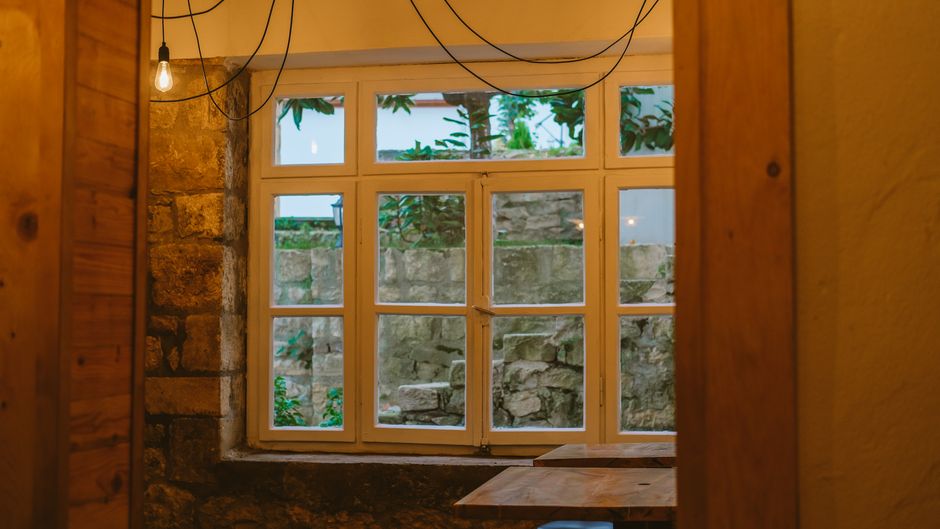
Anatomy of a Double-Hung Window Opening
Before diving into how to measure rough opening for double hung window assemblies, you must familiarize yourself with the structural terminology. A window opening is not just a simple hole in the wall; it is a complex assembly of wood, drywall, exterior sheathing, and flashing components. Knowing these parts ensures you take your measurements from the correct reference points.
The structural framework includes the header (the horizontal lumber supporting the load above the window), the king studs (the vertical members running floor-to-ceiling framing the sides), the jack studs (shorter vertical studs supporting the window sill), and the sill plate itself. When performing a pocket or insert replacement, you generally measure between the existing window jamb liners rather than tearing down to these bare studs. Conversely, a new construction or full-frame replacement requires exposing the rough opening entirely.
Understanding the Difference: Pocket vs. Full-Frame Replacements
The method you choose for your double hung window replacement measurement guide depends entirely on the scope of your project:
- Pocket Replacement (Insert): This method involves sliding a completely self-contained window unit into your existing frame. The old sashes, weights, and parting beads are removed, but the main exterior frame and interior trim remain untouched. This requires taking precise width, height, and depth dimensions between specific stop-molding points.
- Full-Frame Replacement: This involves tearing everything out down to the bare wooden studs (the rough opening). This approach is necessary if the existing frame is rotten, water-damaged, or out of square beyond adjustment. Here, you use standard double hung window sizing guide principles based on raw framing dimensions.
Step-by-Step Guide: Measuring Width, Height, and Depth
Accuracy demands consistency. Always use a metal tape measure—cloth or plastic tapes stretch over time, leading to miscalculations. Record your measurements to the nearest 1/8 inch (or 1/16 inch if requested by your window manufacturer). Never rely on a single measurement; walls settle, houses shift, and openings are rarely uniform from top to bottom.

1. Measuring Width for Replacement Windows
When executing your measuring window width and height for replacement strategy, width must be calculated across three distinct horizontal points to capture any bowing in the framing:
- Measure the width at the very top of the opening, just beneath the header or head jamb.
- Measure the width across the exact middle of the opening.
- Measure the width near the bottom of the opening, just above the sloped sill.
Take note of all three numbers. When ordering your window, use the smallest width measurement as your baseline. If you use the largest measurement, your new window simply will not fit into the narrower sections of the frame.
2. Measuring Height for Replacement Windows
Height is equally critical and must be checked in multiple locations to account for uneven settling:
- Measure from the highest point of the sloped sill up to the underside of the head jamb on the far left side.
- Measure the exact center height from the sill to the head jamb.
- Measure on the far right side.
Once again, identify the smallest height measurement among your three readings. For pocket installations, ensure you measure from the highest point where the sill meets the bottom sash down to the head parting stop, following the manufacturer’s specific measurement instructions.
3. Measuring Frame Depth and Clearance
Depth matters immensely, especially for pocket installations. You must verify that your existing frame has adequate depth to accommodate the new window track without hitting interior or exterior trim, storm window tracks, or blinds. Measure from the inside edge of the interior stop to the outside blind stop. Compare this pocket depth against the manufacturer's catalog specifications for the window's frame thickness.
Checking Square and Plumb
A window frame can fit dimensionally in terms of width and height yet still fail to operate correctly if the opening is out of square or out of plumb. Ignoring this step leads to sashes that won't lock, air leaks, and premature hardware failure.
To check for square, measure the diagonal opening from the top-left corner to the bottom-right corner. Then, measure diagonally from the top-right corner to the bottom-left corner. Compare these two diagonal measurements. If they differ by more than 1/4 inch, your opening is noticeably out of square. For full-frame installations, you can often shim the rough opening to correct minor discrepancies, but pocket windows require the existing frame to be reasonably square or shimmed precisely within the pocket channel.
To check for plumb, place a spirit level or digital level against the side jambs. The bubble should rest perfectly centered. If the jambs lean inward or outward, your double-hung window sashes will bind or leave unsightly gaps when opened.

Mastering Sill Slopes and Sash Clearances
One of the most overlooked aspects of window measuring is understanding how the window interacts with water drainage and internal mechanical movement.
Measuring Window Sill Slope
Window sills are engineered with a downward slope (typically a 14-degree or standard sill angle) designed to shed rainwater away from the house. When measuring your sill, you must determine its precise angle if you are ordering a custom sloped sill adapter or a specialized sloped sill replacement window. Use a digital angle finder or a protractor resting on the exterior sill to record the exact pitch. An incorrect sill angle will prevent the window's bottom rail from sealing tightly, leading to water infiltration during heavy wind-driven rain storms.
Checking Double-Hung Sash Clearance
Double-hung windows rely on two operating sashes (top and bottom) that slide vertically past one another. When evaluating your replacement, check the interior sash clearances:
- Ensure interior security locks, window cranks, or decorative trim do not interfere with the movement of the tilt latches.
- Verify that interior blinds, shades, or drapery hardware have enough clearance so they do not scrape against the moving top or bottom sashes.
- Check the parting beads and balance systems inside the jambs to guarantee there is enough lateral clearance for spring balances or block-and-tackle mechanisms.
Common Measuring Mistakes to Avoid
Even seasoned handymen occasionally make critical measuring errors. Keep these common pitfalls in mind to protect your budget:
- Measuring only once: Relying on a single center measurement guarantees failure if your walls have shifted over decades. Always take three vertical and three horizontal measurements.
- Forgetting to account for shims and insulation: When calculating rough openings for new construction, remember that the actual window unit must be slightly smaller than the rough opening to leave room for shims, leveling, and expanding foam insulation.
- Measuring including the exterior fin (nailing fin) in pocket replacement dimensions: Pocket windows do not use nailing fins; they fit entirely inside the existing box frame. Ensure you are measuring the clear opening between stops, not the exterior trim.
- Ignoring out-of-square framing: Forcing a square window into an out-of-square opening warps the frame, resulting in jammed sashes and broken glass seals.

Related FitMySpace Tools
Planning a major home improvement project often involves more than just swapping out windows. Whether you are bringing in new furniture to complement your renovated view or rearranging your layout, utilize these handy online calculators to streamline your space planning:
- Will a Sofa Fit Through My Door?
- Furniture Through Doorway Calculator
- Will a Refrigerator Fit Through the Door?
Frequently Asked Questions
1. Should I measure from the inside or the outside when replacing a double-hung window?
For pocket replacement windows, you should always measure from the inside of the home, between the existing interior stops. For full-frame or new construction replacements where you are removing the entire window down to the studs, measuring from the exterior rough opening is often easier and more accurate.
2. How much smaller should a replacement window be than the rough opening?
Generally, a new construction window unit should be about 1/2 inch narrower and 1/2 inch shorter than the actual rough opening. This leaves a uniform 1/4-inch gap on all sides for shims, leveling, and proper spray foam insulation. For pocket replacements, manufacturers usually require your ordered unit to be 1/4 inch smaller than the smallest measured width and height of the existing pocket.
3. What do I do if my window opening is completely out of square?
If the diagonal measurements differ by more than 1/4 inch, a pocket replacement may bind or leak. In this scenario, you may need to perform a full-frame replacement, removing the rotted or warped framing studs, rebuilding the rough opening square, and installing proper flashing before putting in the new window.
4. How do I measure the depth of my window frame for an insert?
Open the window and measure the flat horizontal surface of the blind stop or pocket channel from the interior stop molding to the exterior blind stop. Ensure this depth matches or exceeds the minimum pocket depth requirement specified by your replacement window manufacturer (usually around 3 1/4 inches to 3 1/4 inches minimum).
5. Can I measure with a cloth tape measure if I don't have a metal one?
No. Cloth, vinyl, and plastic tape measures stretch easily over time or when pulled tight, leading to inaccuracies of a quarter-inch or more. Always use a rigid steel tape measure for precise window calculations.
6. Why is recording the smallest measurement crucial?
Houses settle over time, causing window frames to warp, sag, or bow inward. If you order a window based on the largest measurement, it will collide with the narrower sections of your opening and simply refuse to slide into place.
Conclusion
Mastering the art of measuring for a double-hung window ensures that your home renovation project proceeds smoothly without costly ordering mistakes or frustrating installation delays. By systematically checking widths, heights, frame depths, sill angles, and diagonal squareness, you lay the groundwork for a weather-tight, energy-efficient, and professional finish. Take your time, double-check every number, always record your smallest dimensions, and enjoy the beautiful natural light and fresh breeze your new double-hung windows will bring to your home.
💬 Comments & Questions
Post a Comment