
Will Plantation Shutters Fit Your Windows? Measuring Frame Depth, Sill Clearance, and Louver Swing
When it comes to upgrading your home's interior aesthetic and energy efficiency, few window treatments match the timeless elegance of plantation shutters. These classic additions offer exceptional light control, superior insulation, and an undeniable boost to your property value. However, before you invest in custom window treatments, a critical question arises: will plantation shutters fit your windows? Unlike standard fabric curtains or off-the-shelf roller blinds that can be hung with a few loose guesses, plantation shutters are permanent, rigid architectural fixtures. They require precise planning, careful calculations, and a deep understanding of your window's physical layout.
Achieving a flawless installation involves far more than simply taking a single width and height measurement. To guarantee that your new shutters open smoothly, look balanced, and function precisely as intended, you must evaluate three core structural elements: frame depth, sill clearance, and louver swing. In this comprehensive guide, we will walk you through the entire process of how to measure for plantation shutters, identify standard window frame limitations, account for awkward window hardware, and determine whether an inside mount or an outside mount suits your space best.

Understanding Plantation Shutter Anatomy and Fit Requirements
Before diving into the numbers and measuring tapes, it is essential to understand the basic anatomy of a plantation shutter system. A standard shutter configuration consists of a main outer frame, hinged panels that swing open, and horizontal louvers that rotate to control light and airflow. Each of these components occupies physical space within or around your window opening.
When homeowners ask whether interior shutters will work for their specific architecture, they are usually concerned about clearance issues. Will the louvers hit the glass when they tilt? Will the shutter panels hit protruding window cranks? Will the outer frame fit securely onto a shallow window sill? Answering these questions requires looking at the physical constraints of your walls, glass panes, and trim work.
Inside Mount vs. Outside Mount: Which is Right for Your Windows?
The very first decision you must make when measuring windows for custom shutters is whether you will use an inside mount or an outside mount. This choice fundamentally dictates how you take your measurements and what clearance metrics matter most.
- Inside Mount: The shutter frame sits snugly inside the window casing, flush with or recessed inside the wall opening. This style offers a clean, integrated look that showcases your surrounding window trim. However, it requires a minimum plantation shutter frame depth requirement to ensure the louvers can rotate freely without striking the window glass.
- Outside Mount: The shutter frame is installed directly onto the wall or the decorative window trim surrounding the opening. This method is the go-to solution for shallow window frames where an inside mount is impossible. Outside mounts are also ideal when you need to cover uneven window openings or want to make a small window appear larger.
Step 1: Evaluating Plantation Shutter Frame Depth Requirements
The single most common obstacle homeowners face when installing interior shutters is inadequate window depth. When you choose an inside mount, the shutter frame requires a specific amount of flat surface area inside the window recess to anchor properly.
Furthermore, the louvers—the horizontal slats that open and close—need enough forward clearance so they do not scrape against your window glass when tilted downward or upward. Different louver sizes require varying depths. For example, popular louver sizes include 2 ½ inches, 3 ½ inches, and 4 ½ inches. Naturally, larger louvers require more rotational clearance inside the frame.
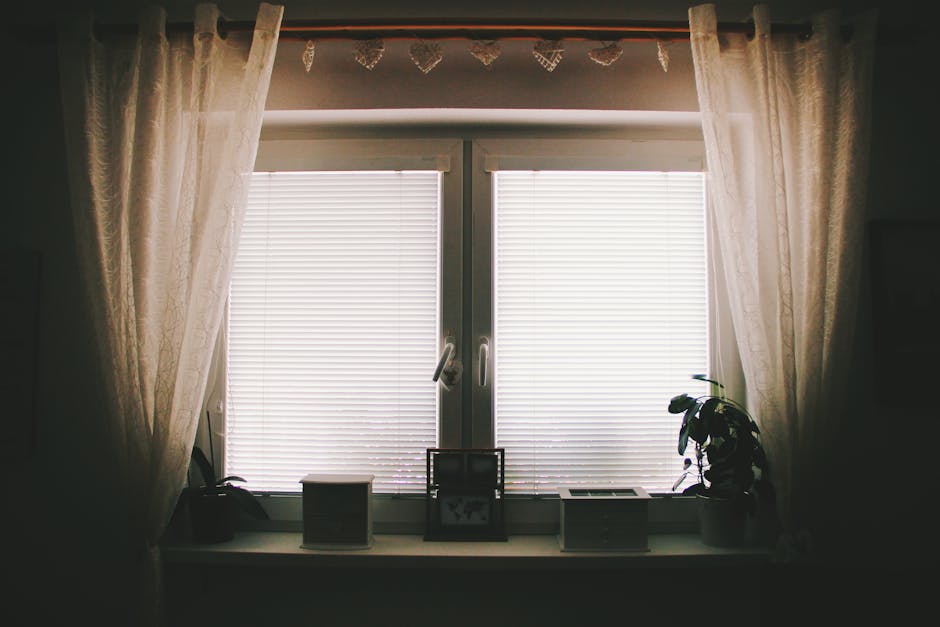
Measuring Window Depth for Interior Shutters
To determine if your windows can accommodate an inside mount, follow these steps to measure your window depth:
- Take a reliable metal tape measure and place the end flat against the glass (or the innermost obstruction, such as a window crank or handle).
- Extend the tape measure straight out toward the front edge of the interior wall or window casing.
- Record the distance in fractions of an inch. Take measurements in at least three different spots along the window depth to account for any irregularities in older construction.
Standard window depth requirements vary based on whether you want a "zero clearance" frame or if you are willing to use a build-out frame. Generally, to achieve a fully recessed inside mount with standard 3 ½-inch louvers clearing the glass, you will need a minimum clear depth of roughly 2 to 2 ½ inches from the front of the opening to the glass pane. If your window measurements fall short of this, do not panic. Manufacturers offer shallow frame adaptations, z-frames, or outside mounting options specifically designed for shallow window frames.
Step 2: Checking Window Sill Clearance and Obstructions
Beyond the depth of the window recess, you must carefully evaluate window sill clearance and interior obstructions. Many modern and traditional windows feature protruding elements that can interfere with the movement of shutter panels or louvers.
Will Interior Shutters Block My Window Crank?
This is one of the most frequently asked questions by homeowners with casement, awning, or hopper windows that open outward using an interior hand crank. If your window opens via a protruding crank handle, standard inside-mount plantation shutters may hit the handle when you try to open or close the panels.
To solve this potential headache, you need to measure the exact projection of your window hardware:
- Measure from the glass or the base of the window frame out to the furthest tip of the crank handle.
- Compare this measurement to the depth of your shutter frame and the clearance space behind the closed shutter panels.
- If the crank protrudes too far into the frame space, you may need to install T-posts, use an outside mount, or swap your bulky hardware for low-profile, foldable crank handles designed specifically to accommodate interior shutters.
Managing Window Sill Protrusions
Window sills often extend inward past the drywall or window casing. When measuring windows for custom shutters, pay close attention to where the bottom sill terminates. If the sill extends past the inside face of the window frame, your shutter frame must either sit on top of the sill (requiring a specialized sill-frame adapter or a customized notched cut) or be installed as an outside mount.

Step 3: Calculating Louver Swing and Panel Clearance
In addition to checking the depth and hardware clearance, you must consider the operational clearance of the louvers and the shutter panels themselves. When you open a plantation shutter panel on its hinges to clean your glass, the panel swings inward into your room.
Make sure to inspect your interior space for potential swing blockers:
- Furniture Placement: Ensure that desks, sofas, nightstands, or kitchen counters placed directly beneath or beside the window will not block the shutter panels from swinging open at a full 90 or 180-degree angle.
- Baseboard Heaters and Vents: Avoid placing shutter panels where they might rest against hot baseboard radiators or block essential HVAC floor registers when open.
- Adjacent Walls: If a window is positioned extremely close to a perpendicular corner wall, a multi-panel shutter configuration might be necessary so that smaller individual panels can fold back without scraping the adjacent wall.
How to Measure for Plantation Shutters: A Step-by-Step Guide
Now that you understand the key clearance variables, let's walk through the precise, step-by-step process of taking your final window measurements. Accuracy is paramount here—always use a steel tape measure rather than a cloth tailor's tape, and measure to the nearest 1/8 of an inch.
Measuring for an Inside Mount
- Width: Measure the inside width of the window opening at three distinct locations: top, middle, and bottom. Always take the narrowest of these three measurements to ensure the shutter frame fits into the tightest part of the opening. Do not make any deductions unless specified by your shutter manufacturer.
- Height: Measure the inside height from the top of the window opening down to the window sill (or the bottom casing) at three points: left, center, and right. Use the shortest height measurement.
- Squareness Test: Measure diagonally from the top-left corner to the bottom-right corner, and then from the top-right corner to the bottom-left corner. If the two diagonal measurements differ by more than 1/4 inch, your window is out of square. In this case, an outside mount or specialized shimming during installation may be required to maintain a professional appearance.
Measuring for an Outside Mount
- Width: Measure the total width of the area you wish to cover. If you want the shutter frame to overlap the window trim entirely, measure from the outer edge of the left trim to the outer edge of the right trim.
- Height: Measure from the top edge of the upper window trim down to the bottom edge of the lower window sill or trim.
- Allowance: Ensure there is a flat mounting surface around the perimeter of your window trim to securely screw in the outside frame.

Common Measuring Mistakes to Avoid
Even seasoned DIYers can run into trouble when measuring for custom window treatments. Keep these common pitfalls in mind to ensure your project goes off without a hitch:
- Failing to Account for Out-of-Square Windows: Assuming all windows are perfectly rectangular can lead to gaps or tight jams. Always take multiple width and height measurements.
- Forgetting About Locks and Latches: T-knobs, sash locks, and security sensors can interfere with shutter frames. Check every protruding item before finalizing your order.
- Rounding to the Nearest Inch: Window measurements require extreme precision. Always measure down to the nearest 1/8 of an inch. Never round up or down on a whim.
- Measuring with Fabric Tapes: Cloth measuring tapes stretch over time and sag across wide window spans. Always use a rigid metal tape measure.
Frequently Asked Questions
1. Will plantation shutters fit on shallow window frames?
Yes, plantation shutters can be installed on shallow window frames, but you may need to use an outside mount or a specialized Z-frame. Z-frames feature an extended decorative lip that wraps around the outside of the window opening, masking shallow depths and providing extra clearance for louvers.
2. How do I know if my windows are square enough for inside-mount shutters?
Measure diagonally from corner to corner in both directions (top-left to bottom-right, and top-right to bottom-left). If the two diagonal measurements are within 1/8 to 1/4 inch of each other, your window is sufficiently square for an inside mount.
3. Can interior shutters accommodate windows with manual crank handles?
Yes, but you must check your window sill clearance and hardware projection. If your crank handle sticks out past the window depth, you can either replace the handle with a low-profile folding crank or choose an outside mount configuration.
4. Should I measure including the window trim for an inside mount?
No. For an inside mount, you measure strictly within the interior window recess between the walls or jambs, ignoring the surrounding decorative trim.
5. What is the standard louver size for plantation shutters?
The 3 ½-inch louver is considered the industry standard because it offers a balanced view, excellent light control, and fits most standard window frame depths.
6. What should I do if my window sill slopes downward?
Many exterior and interior sills have a slight downward slope to shed moisture. When measuring for shutters that rest on the sill, measure to the highest point where the sill meets the window frame, or use a customized sill plate adapter.
Conclusion
Installing plantation shutters is one of the most rewarding home improvement projects you can undertake, instantly elevating your interior decor while providing enduring functionality. Ensuring a seamless installation comes down to meticulous preparation. By carefully evaluating your window frame depth, checking for hardware and sill clearance, planning your louver swing, and taking accurate, multi-point measurements, you can avoid costly ordering mistakes. Whether you opt for a sleek inside mount or a versatile outside mount, taking the time to measure correctly guarantees that your new plantation shutters will fit your windows like a glove.
💬 Comments & Questions
Post a Comment