
What Size Nightstand Fits Beside My Bed? Simple Clearance Guide
Quick answer: The best nightstand is not simply the widest one that fits. Height, drawer access, outlets, curtains, and the walking path all affect whether it works day to day. Online product dimensions are a starting point rather than a fit guarantee. The safest method is to compare the item's maximum real dimensions with the smallest usable dimensions of the room and every access point before it.

Treat walkway as an operating measurement rather than an optional extra. A fit that consumes this zone can technically work on paper while making the bedroom irritating every day. Use painter's tape to mark the proposed outer edge of the nightstand. Then walk the normal path through the bedroom, open nearby doors, pull out moving parts, and stand where you would actually use the item. This low-tech test catches proportion problems that dimension lists cannot show. Finally check door clearance. It is the useful last-mile measurement: the number that often separates a clean installation from an awkward workaround on delivery day. When the result is within a few centimetres or roughly an inch of a hard obstruction, treat it as a borderline fit rather than a pass. Measuring errors, packaging, wall trim and floor irregularities can consume a small theoretical margin. Record wall gap at the narrowest or most restrictive point. In older homes, trim, skirting, uneven walls, handles, and hinges can reduce usable space by more than a quick wall-to-wall reading suggests. Use painter's tape to mark the proposed outer edge of the nightstand. Then walk the normal path through the bedroom, open nearby doors, pull out moving parts, and stand where you would actually use the item. This low-tech test catches proportion problems that dimension lists cannot show. Use painter's tape to mark the proposed outer edge of the nightstand. Then walk the normal path through the bedroom, open nearby doors, pull out moving parts, and stand where you would actually use the item. This low-tech test catches proportion problems that dimension lists cannot show. Also think about outlet and lamp access. The best small-space plan does not merely squeeze furniture into a rectangle; it preserves the actions that make the room useful.
The Fast Answer: Nightstand
Use painter's tape to mark the proposed outer edge of the nightstand. Then walk the normal path through the bedroom, open nearby doors, pull out moving parts, and stand where you would actually use the item. This low-tech test catches proportion problems that dimension lists cannot show. Add outlet location to the sketch before choosing a final position. This is especially important when another object moves into the same area, because overlapping movement zones create the kind of conflict that is invisible in a product photo. For this nightstand size bedside clearance check, keep every measurement in one unit and label whether it is a hard dimension, an operating clearance, or a movable obstruction. That prevents a product dimension from being compared with the wrong kind of room measurement.
Why Listed Dimensions Mislead: Nightstand
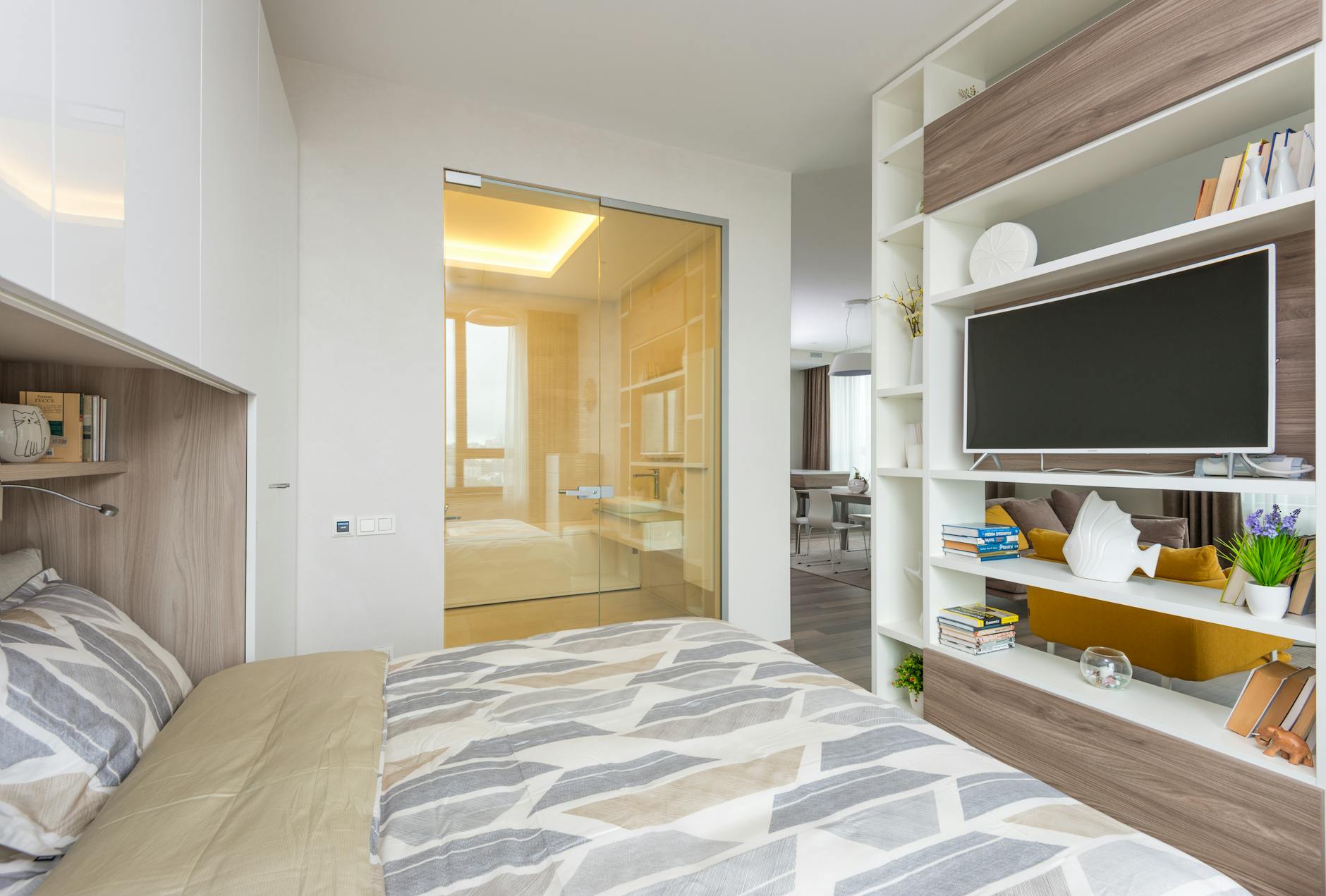
Record wall gap at the narrowest or most restrictive point. In older homes, trim, skirting, uneven walls, handles, and hinges can reduce usable space by more than a quick wall-to-wall reading suggests. Finally check door clearance. It is the useful last-mile measurement: the number that often separates a clean installation from an awkward workaround on delivery day. For this nightstand decision, round the object slightly up and the opening slightly down when the numbers are close. The habit creates a practical safety margin for trim, uneven walls and measuring error.
Measure the Room or Opening: Nightstand
Treat walkway as an operating measurement rather than an optional extra. A fit that consumes this zone can technically work on paper while making the bedroom irritating every day. Also think about visual balance around the bed. The best small-space plan does not merely squeeze furniture into a rectangle; it preserves the actions that make the room useful. Photograph the tape measure at drawer pull depth if you are shopping away from home. A visual record is easier to trust than a number saved without context.
Measure the Item: Nightstand
Use painter's tape to mark the proposed outer edge of the nightstand. Then walk the normal path through the bedroom, open nearby doors, pull out moving parts, and stand where you would actually use the item. This low-tech test catches proportion problems that dimension lists cannot show. Finally check door clearance. It is the useful last-mile measurement: the number that often separates a clean installation from an awkward workaround on delivery day. If a removable component changes the result, confirm that the maker actually allows it to be removed for delivery or installation. Never rely on guessed disassembly for a borderline fit.
A simple fit worksheet
| Measurement | What to record | Why it matters |
|---|---|---|
| Bed Height | Your measured value | defines the main footprint for this nightstand layout |
| Available Side Width | Your measured value | tests the limiting opening for this nightstand layout |
| Drawer Pull Depth | Your measured value | protects the movement zone for this nightstand layout |
| Walkway | Your measured value | catches a hidden obstruction for this nightstand layout |
| Wall Gap | Your measured value | helps judge the safety margin for this nightstand layout |
Add Movement Space: Nightstand
When the result is within a few centimetres or roughly an inch of a hard obstruction, treat it as a borderline fit rather than a pass. Measuring errors, packaging, wall trim and floor irregularities can consume a small theoretical margin. Use painter's tape to mark the proposed outer edge of the nightstand. Then walk the normal path through the bedroom, open nearby doors, pull out moving parts, and stand where you would actually use the item. This low-tech test catches proportion problems that dimension lists cannot show. For this nightstand size bedside clearance check, keep every measurement in one unit and label whether it is a hard dimension, an operating clearance, or a movable obstruction. That prevents a product dimension from being compared with the wrong kind of room measurement.
Try the Tape-Outline Test: Nightstand

Also think about night-time walking path. The best small-space plan does not merely squeeze furniture into a rectangle; it preserves the actions that make the room useful. Record wall gap at the narrowest or most restrictive point. In older homes, trim, skirting, uneven walls, handles, and hinges can reduce usable space by more than a quick wall-to-wall reading suggests. For this nightstand decision, round the object slightly up and the opening slightly down when the numbers are close. The habit creates a practical safety margin for trim, uneven walls and measuring error.
Compare Two Layouts: Nightstand
Measure bed height and available side width first, then verify drawer pull depth. Those three numbers usually tell you whether the basic footprint is realistic, but they do not yet tell you whether the nightstand will be comfortable to use in the bedroom. Use painter's tape to mark the proposed outer edge of the nightstand. Then walk the normal path through the bedroom, open nearby doors, pull out moving parts, and stand where you would actually use the item. This low-tech test catches proportion problems that dimension lists cannot show. Photograph the tape measure at door clearance if you are shopping away from home. A visual record is easier to trust than a number saved without context.
What to Do With a Borderline Fit: Nightstand
Measure bed height and available side width first, then verify drawer pull depth. Those three numbers usually tell you whether the basic footprint is realistic, but they do not yet tell you whether the nightstand will be comfortable to use in the bedroom. Record wall gap at the narrowest or most restrictive point. In older homes, trim, skirting, uneven walls, handles, and hinges can reduce usable space by more than a quick wall-to-wall reading suggests. If a removable component changes the result, confirm that the maker actually allows it to be removed for delivery or installation. Never rely on guessed disassembly for a borderline fit.
Final Fit Test: Nightstand
Record wall gap at the narrowest or most restrictive point. In older homes, trim, skirting, uneven walls, handles, and hinges can reduce usable space by more than a quick wall-to-wall reading suggests. Measure bed height and available side width first, then verify drawer pull depth. Those three numbers usually tell you whether the basic footprint is realistic, but they do not yet tell you whether the nightstand will be comfortable to use in the bedroom. For this nightstand size bedside clearance check, keep every measurement in one unit and label whether it is a hard dimension, an operating clearance, or a movable obstruction. That prevents a product dimension from being compared with the wrong kind of room measurement.
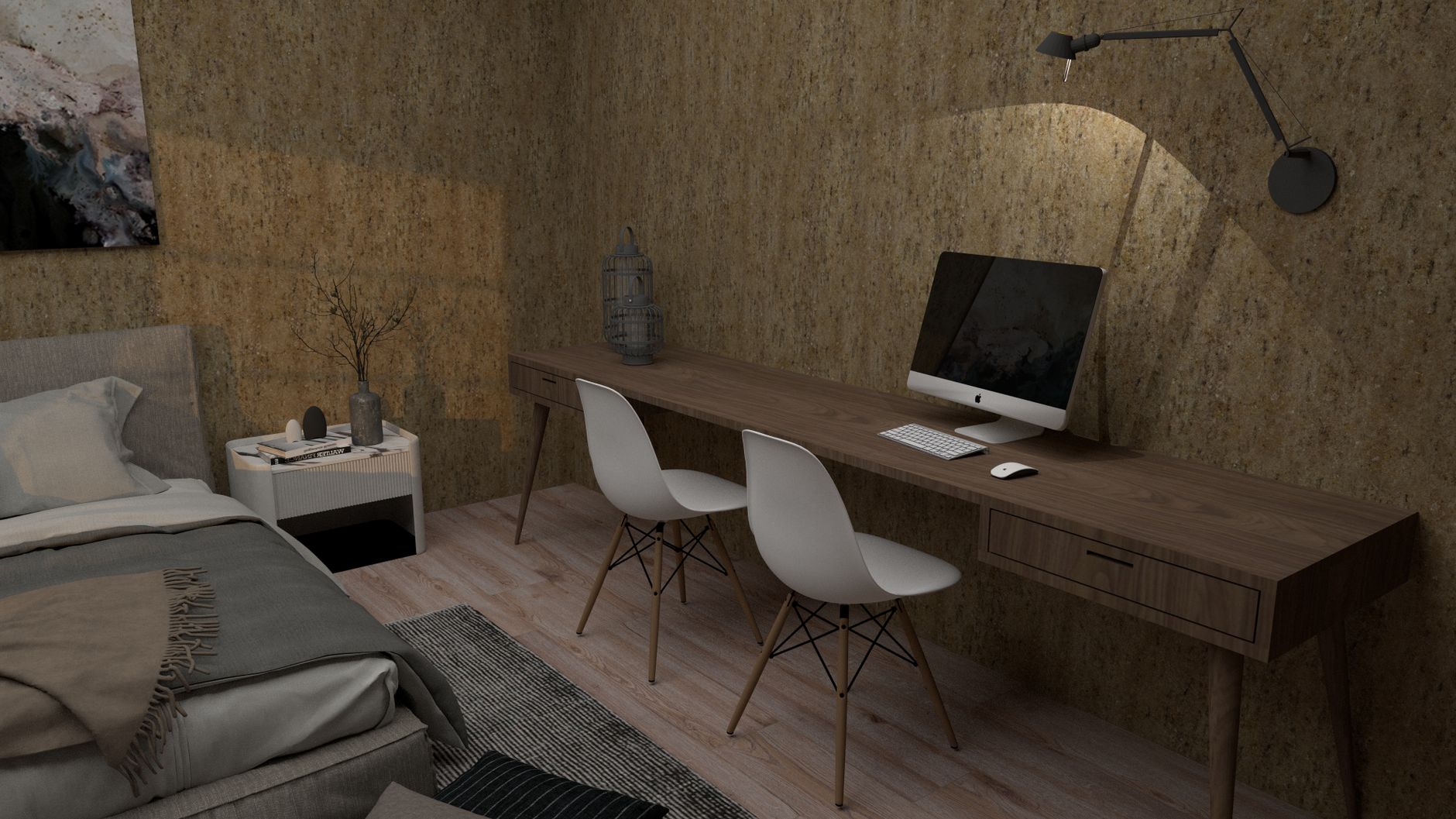
Final pre-purchase checklist
- Measure the nightstand at its maximum rigid width, depth and height.
- Measure the bedside gap at the smallest clear point, not from decorative edge to decorative edge.
- Confirm walkway and wall gap after nearby doors, drawers or chairs are moved.
- Walk the full delivery route and note the tightest turn, step, landing or hallway.
- Compare your measurements with the exact model's specification sheet before paying.
- Keep a practical margin rather than planning for a zero-clearance fit.
- Tape the footprint on the floor and live with it for a few minutes before ordering.
FAQ: Nightstand Fit and Measurements
What is the first measurement to take for nightstand?
Start with bed height, then record available side width and drawer pull depth. Together they establish the basic fit before you spend time on finer layout details.
How much extra clearance should I leave around nightstand?
Use the exact manufacturer or product guidance where it exists. For furniture, preserve enough space for normal movement; for appliances, required ventilation, hoses, doors and service access take priority over a generic rule. For this nightstand size bedside clearance guide, verify the same point against the exact model and room measurements you recorded.
Can I trust the dimensions shown in an online listing?
Use them, but verify what each dimension includes. Handles, feet, cushions, hinges, trim pieces, packaging or open-door depth may be listed separately or omitted from the headline dimensions. For this nightstand size bedside clearance guide, verify the same point against the exact model and room measurements you recorded.
What if my measurements show a very tight fit?
Treat a near-zero margin as uncertain. Re-measure the limiting point, check removable parts, confirm the delivery route and choose a smaller or modular alternative if the plan relies on perfect measurements. For this nightstand size bedside clearance guide, verify the same point against the exact model and room measurements you recorded.
Should I measure the room or the delivery route first?
Check both before buying. A product that suits the final bedroom is useless if it cannot reach that location without unsafe lifting, damage or disassembly that the manufacturer does not permit. For this nightstand size bedside clearance guide, verify the same point against the exact model and room measurements you recorded.
What is the easiest way to visualise nightstand size?
Mark the footprint with painter's tape or flattened cardboard. Add a second tape line for doors, drawers, chair pullback or other operating zones so you can test real circulation instead of only looking at an empty rectangle. For this nightstand size bedside clearance guide, verify the same point against the exact model and room measurements you recorded.
Bottom line
A good nightstand fit is a measurement decision and a usability decision at the same time. The goal is not to prove that an object can be forced into the bedroom; it is to confirm that it can arrive, sit in the intended position, operate normally, and leave sensible circulation. Keep bed height, walkway, and door clearance on the same worksheet, then compare those numbers with the exact product you plan to buy. If the margin is small, choose the option with simpler delivery, fewer moving conflicts, or a smaller footprint. That approach usually costs less than a return and creates a room that feels intentionally planned rather than merely full.
Extra planning note 1: Bed Height
For this nightstand size bedside clearance scenario, bed height deserves a second check after the first layout is taped out. Measure once with the surrounding area empty and again with the nearest door, chair, drawer, curtain, or moving part in its normal position. The difference between those two conditions reveals whether the apparent spare space is genuinely usable. Also review bed making access; it can change the practical footprint even when the product dimensions remain unchanged. If two products are close in size, prefer the one that leaves the clearer route and the easier operating zone rather than the one that merely fills more of the available rectangle. This is particularly valuable in rented or compact homes because future rearrangement, cleaning and move-out access are easier when the layout has a modest buffer. Record the revised number beside your original measurement so you can see which constraint became decisive instead of relying on memory at checkout.
💬 Comments & Questions
Post a Comment