
How Far Should a TV Be From the Sofa? Plan Viewing Distance in a Small Room
Meta description: Plan TV size and sofa position in a small room by measuring actual eye-to-screen distance, console depth, wall width and circulation space.
TV planning is often treated as a screen-size question, but the room decides what works. The sofa position determines viewing distance, the wall sets width limits, the console consumes floor depth, and doors or walkways may prevent you from pushing seating farther back. Measure the complete viewing zone before choosing a television or TV stand.
Measure Eye Position to Screen Position
Viewing distance should be measured from where your eyes are when seated to the screen plane, not from wall to wall. A deep sofa moves your eyes forward, while a TV stand moves the screen forward from the wall. Those two projections can reduce viewing distance by much more than expected in a compact room.
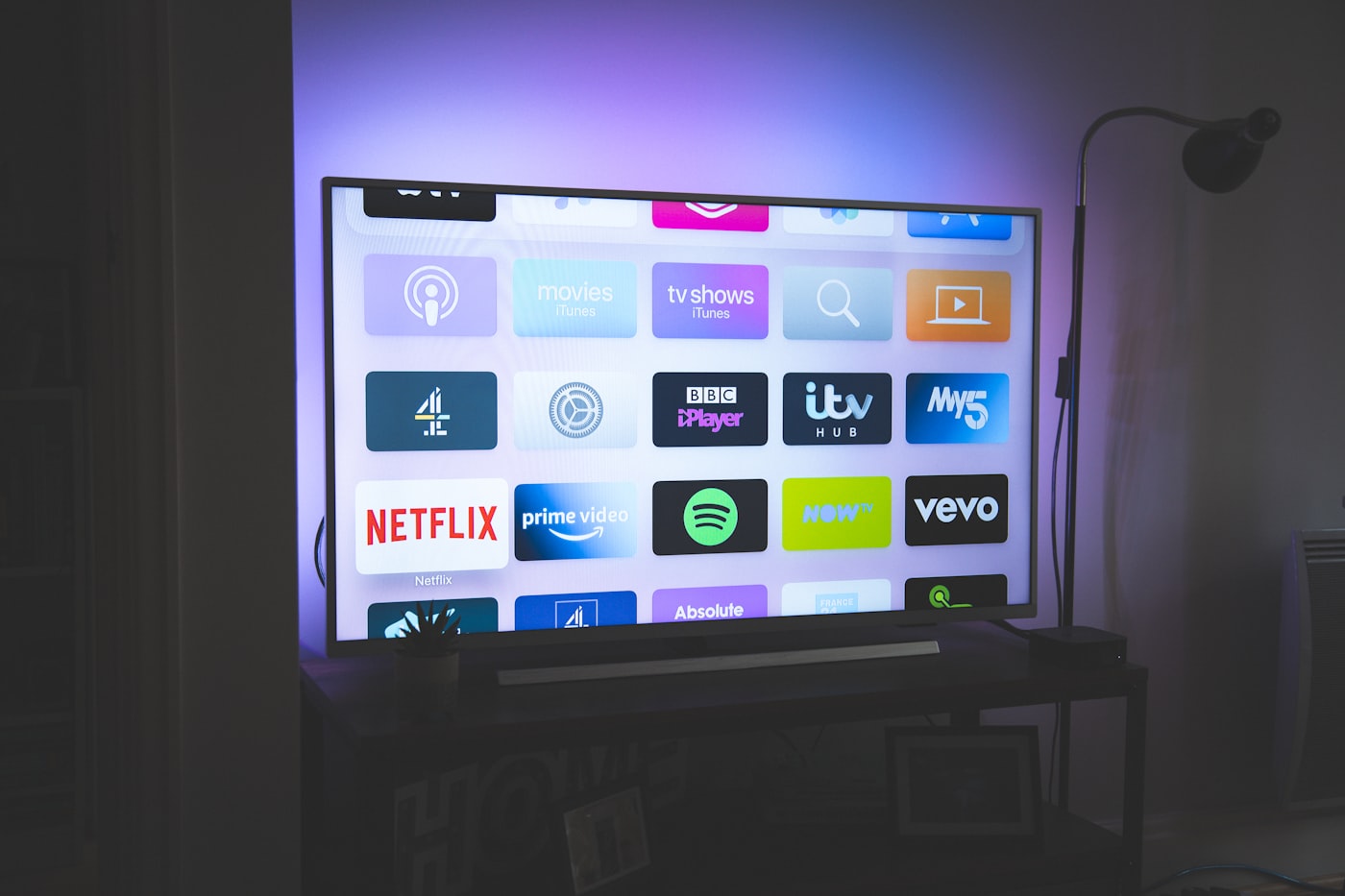
Screen Size Is Diagonal
Television size labels describe the diagonal screen measurement, not the width. Before ordering, check the manufacturer’s overall width and height including the bezel. Tape that rectangle on the wall. A large diagonal number can be misleading when you are trying to fit a screen between windows, shelves or speakers.
Use Manufacturer Guidance for Viewing Distance
Recommended distances vary with resolution, screen size and personal preference. Use the TV manufacturer’s current guidance as a starting point, then consider how you watch. Some people prefer a more immersive field of view; others are comfortable farther back. The practical FitMySpace rule is to make the room measurement first and choose from models that suit that range.
TV Stand Width and Depth
A console should safely support the TV according to both dimensions and weight rating. Measure console depth because it reduces the central walkway. If the TV uses feet near the outer edges, confirm that the stand top is wide and deep enough for the exact foot positions. A pedestal TV has different support requirements.
Wall-Mounted TV: Floor Space Improves, Geometry Still Matters
Wall mounting can free floor area or allow a shallower console, but the screen still projects from the wall. Include bracket depth and any tilt. Check wall construction and use installation hardware appropriate to the wall and TV weight. Space planning does not replace safe mounting practice.
Height: Plan From Seated Eye Level
Measure seated eye height on the actual sofa or chair. A comfortable TV position usually keeps the screen reasonably aligned with the natural viewing angle rather than forcing prolonged neck tilt. Fireplace mounting and high wall placement can change this. Manufacturer or ergonomic guidance should inform the final height.
Small-Room Example
Suppose the wall-to-sofa distance is 260 cm. The sofa back is deep enough that your eyes sit 40 cm forward of the back wall, and the console plus TV projects 45 cm from the opposite wall. The actual eye-to-screen distance is closer to 175 cm than 260 cm. This difference can materially affect the screen size that feels comfortable.

Check Traffic Before Moving the Sofa Back
You may be able to increase viewing distance by moving the sofa, but do not sacrifice the main route through the room. Mark the sofa’s new footprint and walk around it. Check door openings, balcony access and the path to adjacent rooms.
Speakers, Soundbars and Game Consoles
Measure the equipment that lives with the television. A soundbar can require shelf height or wall space. Game consoles need ventilation and cable access. Large speakers may widen the media zone. Include all of these before selecting the console width.
Window Glare and Viewing Direction
A perfect geometric layout may still perform badly if direct daylight reflects on the screen. Observe the room at the hours you usually watch TV. If possible, orient the screen so large bright windows are not directly opposite it, or plan suitable shading.
FAQ
How do I measure TV viewing distance?
Sit in your normal position and measure from your approximate eye position to the plane where the screen will be.
Is TV size the same as TV width?
No. Advertised size is usually the screen diagonal. Use the product’s overall width when checking wall or stand fit.
Can my TV be wider than the console?
It may be physically possible with some central-pedestal designs, but follow the manufacturer’s support and stability requirements and verify the stand’s weight rating.
Does a wall mount change viewing distance?
Yes slightly, depending on bracket depth. It can also reduce floor depth if you remove or use a shallower media console.
💬 Comments & Questions
Post a Comment